
Asset-Based Carriers in Mexico and the USA: Integrated Cross-Border Logistics Network
Asset-Based Carriers in Mexico and the USA
Cross-Border Logistics Network | Mexico ↔ USA | Integrated Asset-Based Capacity Model
What is an Asset-Based Carrier?
An asset-based carrier owns or directly controls transportation equipment and logistics infrastructure, including tractors, trailers, warehousing, and cross-border operational hubs. In Mexico–USA logistics, this model enables predictable capacity, higher reliability, and reduced supply chain risk.
Asset-Based Carrier
- Owns transportation assets
- Direct fleet control
- Stable capacity allocation
- Predictable execution
Brokerage Model
- No owned equipment
- Market-based sourcing
- High scalability
- Variable execution control
Mexicom Hybrid Model
- Asset-based carrier network
- Owned + partner capacity
- Cross-border control tower
- Scalable North American reach
Cross-Border Freight Execution Model
Mexico ↔ USA Integrated Asset-Based Operations
Mexico → USA (Export Flow)
USA → Mexico (Import Flow)
Why Shippers Choose Mexicom Group
Asset-Based Control
Owned fleet ensures execution reliability across core lanes.
Scalable Capacity
Brokerage network expands capacity during peak demand.
Border Efficiency
Laredo hub optimizes cross-border flow and reduces delays.
End-to-End Visibility
Integrated tracking across Mexico–USA supply chain.
1. What Is an Asset-Based Carrier in Cross-Border Logistics?
Asset-based carriers are logistics providers that own or directly control their transportation equipment and infrastructure. In the Mexico–USA corridor, this model is critical for reducing uncertainty in transit times, border delays, and capacity shortages.
Unlike pure brokerage models, asset-based carriers ensure:
- Direct control of trucks and trailers
- Predictable capacity allocation
- Higher reliability on cross-border lanes
- Stronger operational accountability
In North America, especially between Mexico and the United States, asset-based carriers are often combined with brokerage capabilities to handle fluctuating demand.
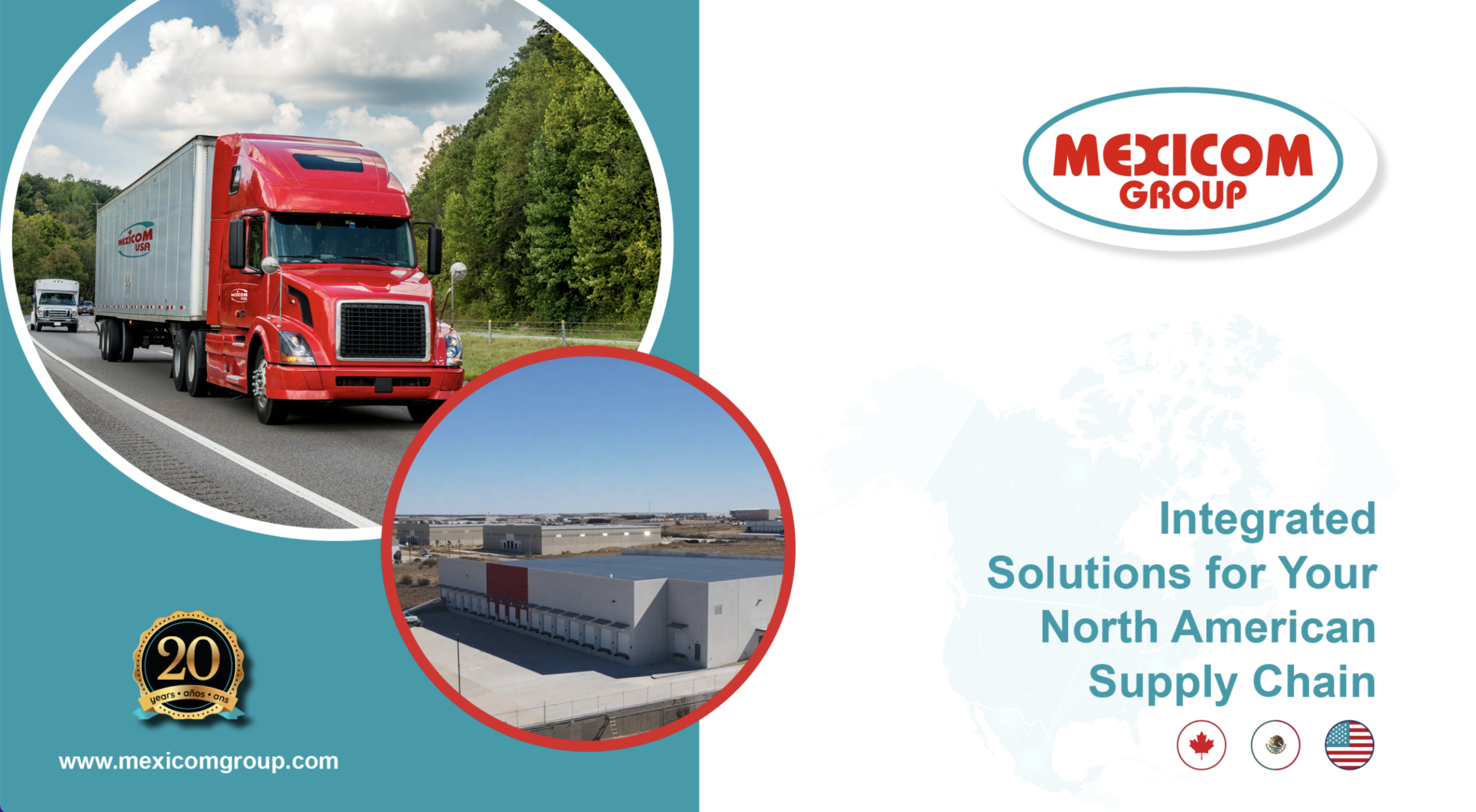
This hybrid model is exemplified by the integrated operations of the companies of Mexicom Group in coordination with GAMO Logística, which together form a scalable cross-border logistics ecosystem.
Mexicom Group operates as a cross-border asset-based logistics network across North America, with integrated operations in:
- Montreal, Canada
- Laredo, Texas (U.S. cross-border hub)
- Mexico City and Nuevo Laredo
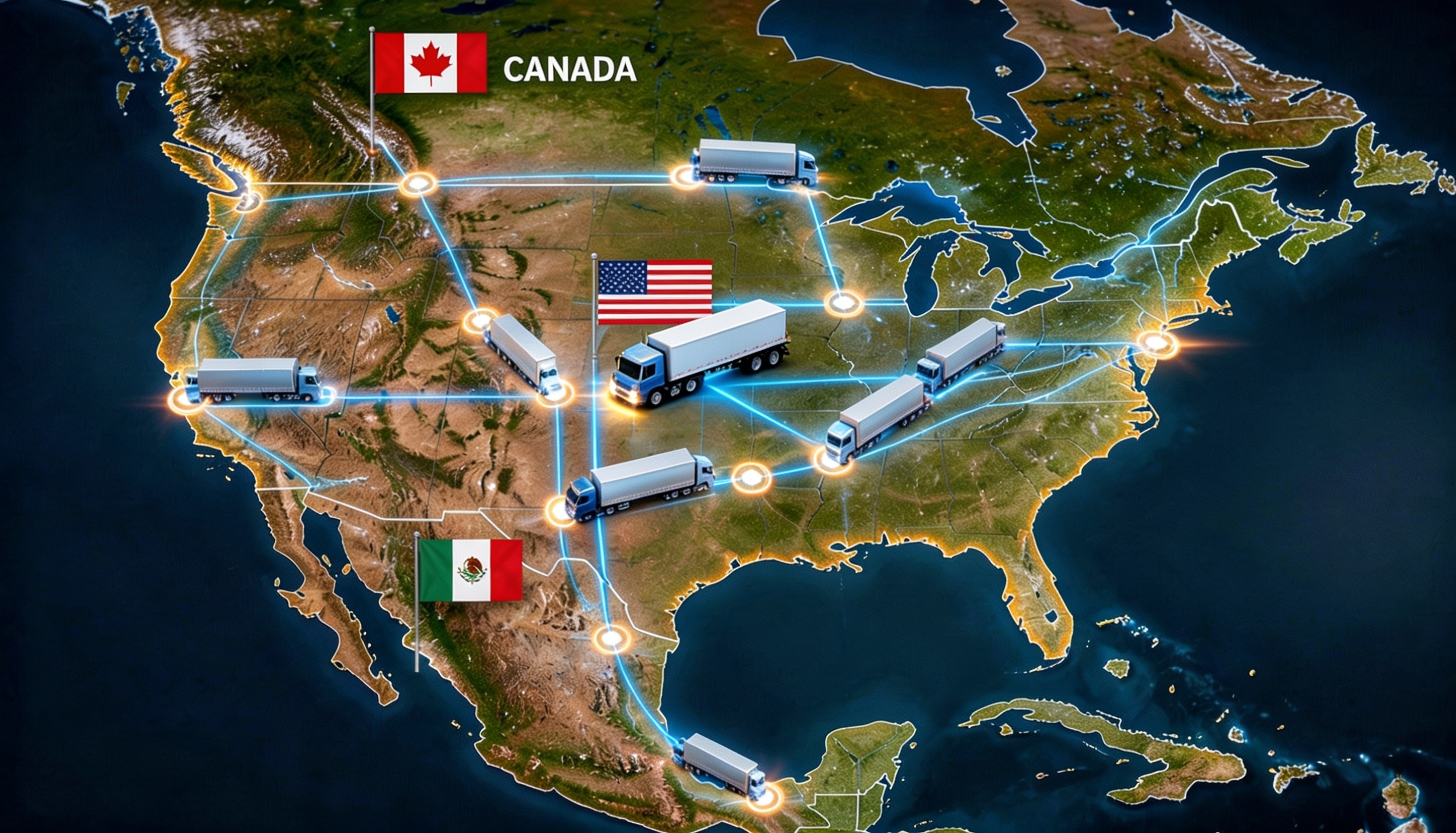
This structure enables full control of freight movement between Mexico, the United States, and Canada.
2. Why Asset-Based Carriers Are Critical for Mexico–USA Trade Lanes
Cross-border freight between Mexico and the USA is highly sensitive to:
- Border congestion
- Customs clearance variability
- Equipment shortages
- Seasonal demand spikes
Asset-based carriers help solve these challenges by maintaining physical control of capacity.
Key Advantages:
- Reduced dependency on third-party carriers
- Faster response during disruptions
- Greater shipment visibility
- Lower risk of delays at critical border points
However, the most effective providers today are not purely asset-based—they are hybrid operators combining owned assets with brokerage networks. This is where Mexicom Group + GAMO Logística creates strategic value.
3. Cross-Border Trucking Between Mexico, USA, and Canada: How It Works
Cross-border trucking is not just transportation—it is a coordinated logistics system involving:
- Freight pickup in Mexico or the USA
- Customs documentation and clearance
- Border crossing (often Laredo corridor)
- Distribution or final delivery in destination country
The Laredo Advantage
A large portion of Mexico–USA freight moves through Laredo, Texas, making it the most critical logistics gateway in North America.
Mexicom Group operates strategically within this corridor through its Laredo distribution infrastructure, enabling:
- Cross-docking operations
- Consolidation and deconsolidation
- In-bond freight handling (FIRMS code facility)
- Short-term and medium-term storage
- Controlled dispatch with shipment visibility
Infrastructure:
- 43,000 ft² warehouse facility
- 17 loading docks
- Capacity for 60 trailers
- Advanced WMS (Warehouse Management System)
- +4,000 transloading operations per year
This transforms the border from a bottleneck into a managed logistics node.
4. Asset-Based + Brokerage Hybrid Model: The Future of North American Logistics
The logistics industry is shifting away from pure models:
Traditional models:
- Asset-only carriers → stable but limited scalability
- Brokerage-only providers → scalable but inconsistent control
Hybrid model (modern standard):
Combines:
- Owned fleet capacity
- Brokerage network expansion
- Warehousing and consolidation hubs
- Integrated customs coordination
The Mexicom Group + GAMO Logística structure operates as a hybrid logistics network, enabling:
- Stable baseline capacity through owned assets
- Market flexibility through brokerage sourcing
- Cross-border coordination across Mexico, USA, and Canada
- Industry-specific logistics solutions
This model is particularly effective for shippers who require both reliability and elasticity.
5. Services Offered by Asset-Based Cross-Border Carriers
Modern asset-based carriers in Mexico and the USA are no longer just transportation providers—they are full supply chain partners.
Core Services:
Cross-Border Trucking (FTL, LTL, Partial Loads)
- Full truckload Mexico–USA–Canada routes
- Consolidation for cost efficiency
- Time-sensitive freight handling
Warehousing & Distribution (Laredo Hub)
- Cross-docking operations
- Cargo consolidation/deconsolidation
- In-bond freight management
- Photo and video shipment verification
- Short and medium-term storage
Customs Coordination Support
- Documentation assistance
- Border clearance optimization
- Reduced dwell time strategies
Drayage & Inland Mexico Transport
- Port-to-inland container movement
- Industrial corridor distribution
Dedicated Fleet Operations
- Asset-controlled transport lanes
- High-reliability recurring routes